
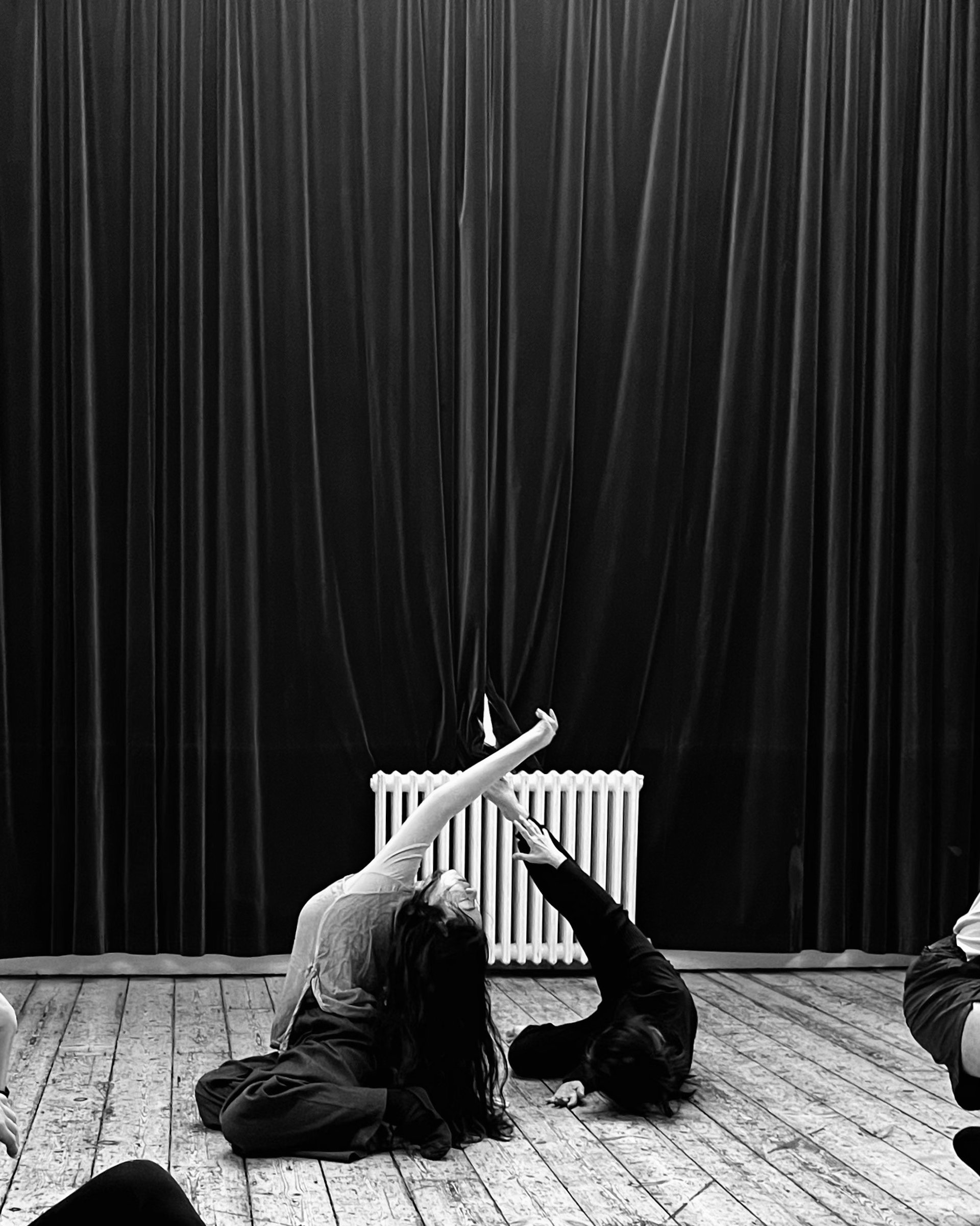
Butoh Mutations in Berlin
This year we will start to offer classes in Berlin. Our location is by the lake, on Eiswerder Island within the Backsteinboot Art Studios.
Berlin dates:
16 May 2026 12:00 - 19:00
€ 80 / € 65 if booked before 14 May
More TBC
Butoh Mutations 2026 series in Berlin
“I am a body shop; my profession is the business of human rehabilitation, which goes today by the name of dancer.”— Tatsumi Hijikata
This year we begin to offer workshops and ecstatic dark dance gatherings in Berlin at Backsteinboot Art Studios, Berlin.
New Moon~Dark Dance: 16 May 2026
On 16 May, the first Butoh Mutations workshop will take place in Berlin. Come out to the island, on the edge of the city, to immerse yourself in a day of ecstatic darkness, an ode to the new moon.
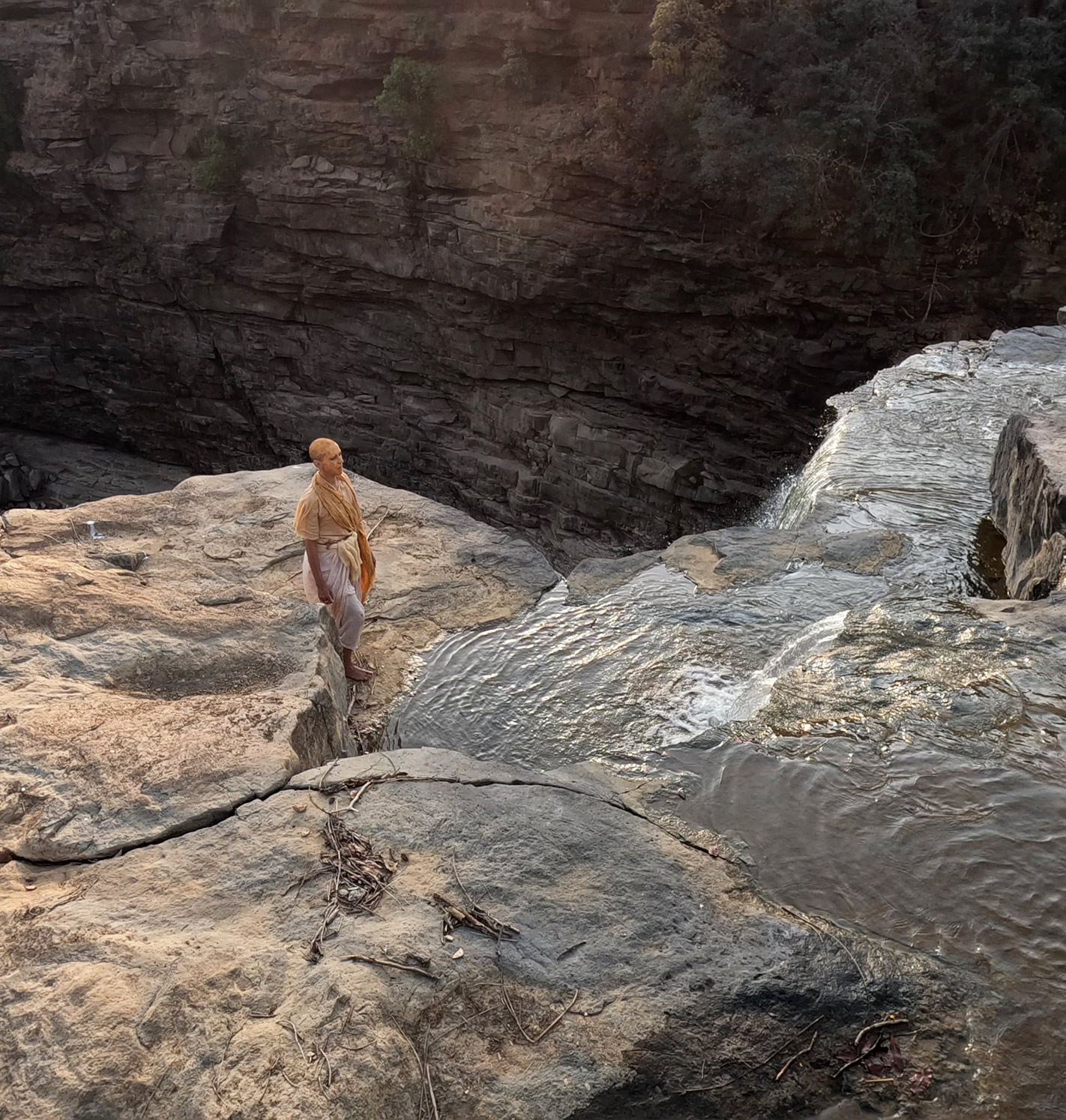
In this one-day lakeside retreat, Savitri invites you into a spring exploration shaped by ongoing research in India's ancient water rituals, especially the Ganga Aarti, a fire offering to the mother river in Varanasi. With charged hands, and sensuous attention, we will summon the unknown represented by the new moon.
The day culminates in a 1.5-hour Ecstatic Dark Dance Jam—a collective descent into shadow and sensation through a sound journey of drone and atonal music.
No prior experience needed. Open to all bodies.
What is Butoh, and why is it relevant today?
Born in postwar Japan, Butoh emerged as a dance of revolt — responding to the devastation of war, the trauma of nuclear catastrophe, and the rapid spread of American consumer culture. Often described as a Rebellion of the Body, Butoh was shaped by influences from Surrealism, literature, painting, and German Expressionist dance.
For its founder, Tatsumi Hijikata, Butoh was a form of rehabilitation. He drew inspiration from the “dirty work” of garages and body shops, from manual labour, street life, and bodies that could not — or would not — move to the tempo of Japan’s so-called economic miracle.
To rehabilitate means to make fit or suitable. But the question remains:
What embodied practices make us fit for the ecological, political, and emotional conditions of our time?
Also known as the Dance of Darkness, Butoh invites us to listen deeply — to sensation, to slowness, to what moves beneath conscious intention. Through embodied listening, we encounter elemental forces, ancestral memory, and the imaginal realm already alive in the tissues of the body. The dance is not imposed; it is already happening, coursing through breath, blood, and cellular life.
This Berlin series will continue to be programmed across the year, as local interest grows. Each session builds on the last, while remaining open to those wishing to attend individual sessions. For participants seeking deeper immersion, there will be two intensive residential retreats in Sápmi (Swedish Arctic lands), please look for announcements or contact us for information.
What to expect
Participants can expect a mix of guided practice, creative exploration, and ritual dance, including:
Warm-ups blending Japanese release techniques, energy work, and dance and movement research.
Introductions to animist practices, spiritual inquiry, and sensorial research prompts
Butoh techniques focused on inner landscape and micro-movement, cultivated through ekāgratā (one-pointed attention)
Creative movement through imagery and live choreography that channels elemental forces
Improvisation and ritual dances in solo, paired, and group forms
Developing an attitude of self-remembering rather than spectating, through the role of the loving witness, supporting one another’s processes and transformations
No prior dance experience is required — all levels are welcome.
Your guide ...
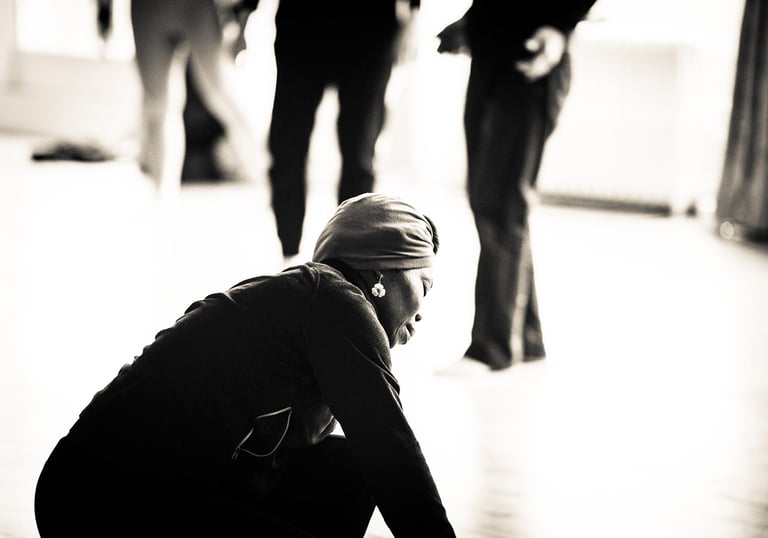
Dominique Savitri Bonarjee is an artist, writer, and experienced facilitator. She has studied long-term with first- and second-generation Butoh dancers, and is the author of Butoh as Heard by a Dancer (Routledge, 2024). She holds a contemporary art PhD focused on developing a spiritual-ecological embodied research methodology and has extensive experience leading large groups in intensive settings, including the durational performance Collapse. Her practice combines Butoh’s discoveries with eco-somatic and spiritual traditions, offering a contemporary path, less focused ob performance and more on embodied inquiry, ritual, and our relations with the more-than-human.

Community
Exploring embodied knowing through the legacy of postwar Butoh.
Newsletter & UPDATES
© 2024. All rights reserved.